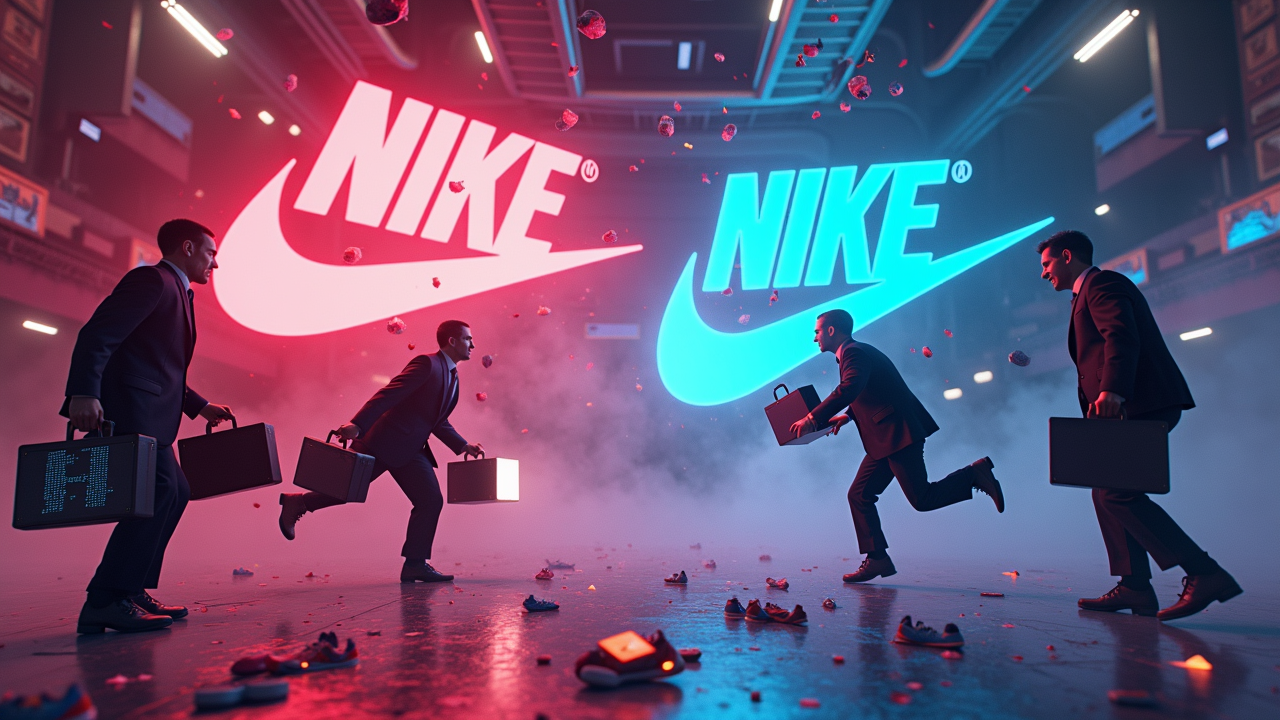

In a groundbreaking partnership that nobody asked for, Nike and StockX have settled a lawsuit that originated from their mutual love for counterfeit sneakers and blurry NFT definitions. Yes, you heard that right — the most prestigious footwear company on Earth and a glorified garage sale website have decided it’s best to bury the hatchet and preemptively cut off the judge’s lunch order for a courtroom spectacle. After all, why put a bunch of fancy lawyers in the spotlight when consumers are busy trying to figure out which NFTs they should buy while standing outside a virtual storefront with a paper bag of regrets?
An anonymous source close to the deal exclaimed, “This settlement means the sneaker NFT market can finally breathe… Unless, of course, Nike decides to sue everyone else on the internet for using the words ‘sneaker’ or ‘frustration’!”
Sources say that the original feud began when Nike accused StockX of selling counterfeit shoes and NFTs, which, in layman’s terms, meant that a significant portion of their ‘exclusive sneaker collection’ could have been made out of wet cardboard and a prayer. In an age where NFTs are supposed to be your digital birth certificate for owning some horrifically overpriced JPEG, Nike claimed that StockX was peddling images of sneakers that didn’t even pass the most basic bacterial test.
Study conducted by the Keensight Institute of Failing Properly revealed that 78% of sneakerheads cannot distinguish between authentic and counterfeit Nikes while holding a sandwich in one hand and a phone in the other. This research points to the undeniable fact that we live in a world where people care more about dubious authenticity than high quality.
But fear not, dear readers! The settlement touches upon the urgent need for market clarity regarding NFTs tied to physical goods. You see, while NFTs are meant to prevent fraud, this entire situation unfolded like a dog chasing its tail. In a dystopian twist, industry experts now assure us that NFTs functioning as shiny receipts for real products will remain, but those funky tokens sprouting legs to wander freely into the realm of standalone collectibles will be chased down by trademark-crazed brands faster than a coked-up cat in a room full of laser pointers.
Daniel Dadybayo, an analytics wizard who likely traded 10,000 tokens for a coffee once, was quoted saying, “This settlement is an industry pressure cooker.” Sounds delicious! Maybe we should pop a few NFTs in there to cook up some taste while we’re at it. If only brands had full control over their IP like they had over our wallets. One day we might just come to terms with the idea that buying an NFT shouldn’t result in a courtroom drama like a Disney reboot of everything wrong with capitalism.
So what’s the solution to this mess? Simple! Just keep buying sneakers based on their digital representation. When in doubt, swipe more credit cards for that hot digital currency, all while praying it isn’t just another poorly drawn meme your pet goldfish created on your tablet after watching Puppy Dog Pals. You might not own anything, but you’ll definitely *feel* powerful — and isn’t that what crypto is all about?
Disclaimer: This post is powered by the spirit of entrepreneurial confusion and imaginary financial analyses. Nike and StockX are not responsible for any spontaneous urges to purchase anything remotely involved with shoes or cartoonish collectibles that may emerge from reading this article.